Have a question? Phone (844) 507-8673

Am I Legally Allowed to Sleep in My Storage Unit?


Am I Legally Allowed to Sleep in My Storage Unit?


If you’re searching for the answer to “Am I legally allowed to sleep in my storage unit?” you’re probably looking for a simple yes or no.

The answer is almost always no.

Storage units are designed for storing personal belongings, vehicles, equipment, and business inventory—not for people to live in. While a storage unit may seem like an affordable solution when housing costs become overwhelming, it is not a safe or legal replacement for an apartment, home, or other approved living space.

As a storage facility operator, I understand why someone might consider it. Rent prices continue to rise, and some people may feel like they have no other options. However, allowing someone to stay overnight in a storage unit creates serious risks for that person, other tenants, and the entire facility.

Why Are People Tempted to Sleep in Storage Units?

One of the biggest reasons people consider living in a storage unit is simple: it is cheaper than an apartment.

When someone is facing financial hardship, losing housing, or trying to save money, a storage unit can appear to be an affordable place to stay temporarily. They may think, “I’m already paying for the space, so why can’t I sleep there?”

The problem is that a storage unit is not built or approved as a living space.

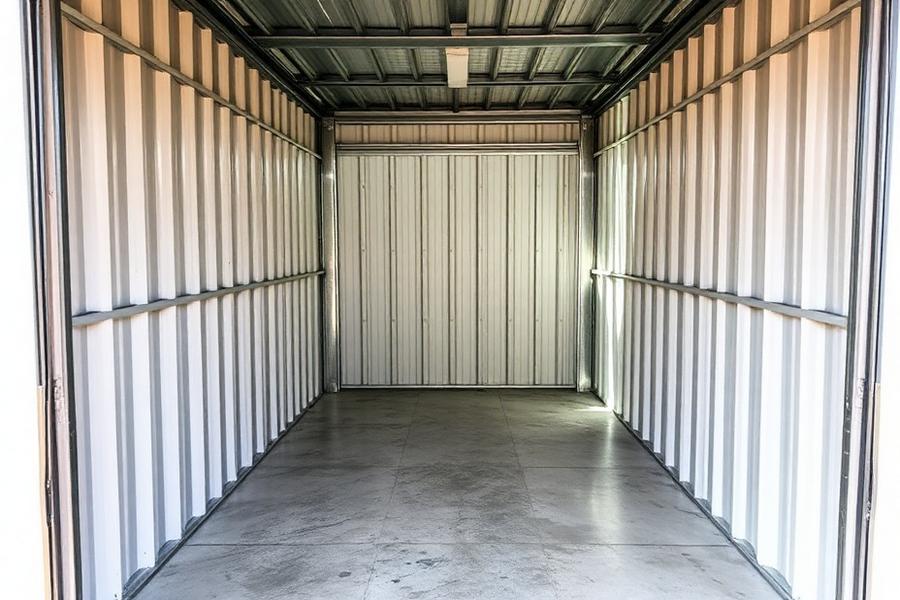
A storage unit does not have the basic requirements needed for human occupancy, including:

  •  Proper ventilation 
  •  Plumbing and restroom facilities 
  •  Heating and cooling systems designed for living conditions 
  •  Fire safety systems required for residential spaces 
  •  Emergency exits and safety features 
  •  Safe sleeping and cooking areas 

Even if someone intends to stay for only one night, the risks do not disappear.

What Happens When Someone Tries to Live in a Storage Unit?

In every situation where we have discovered someone attempting to stay overnight in a storage unit, we address it immediately.

Our responsibility is to protect everyone at the facility, including the person who is staying there.

A storage unit may seem like a private space, but it can become dangerous quickly. Without proper ventilation, temperature control, and emergency systems, someone could put themselves in a serious situation without realizing it.

There are also risks that affect other customers. Storage facilities contain many different types of belongings, including furniture, electronics, equipment, and personal items. A situation involving unsafe living conditions, cooking, electrical use, or other activities can create hazards throughout the property.

Is It Legal to Sleep in a Storage Unit If You Are Paying Rent?

Paying for a storage unit does not make it legal to use that unit as a home.

A storage rental agreement is intended for storing belongings, not residential use. Most storage facility agreements specifically prohibit living or sleeping inside the unit.

Many people assume that because they are renting the space, they can use it however they want. However, renting a storage unit is different from renting an apartment.

When you rent an apartment, the building is designed, inspected, and approved for people to live there. Storage facilities are not.

What Should a Storage Facility Owner Do If Someone Is Sleeping in a Unit?

The right approach is to handle the situation with both compassion and responsibility.

At UnitSafe Storage, we do not ignore the situation or simply look the other way. We talk with the tenant and explain the harmful effects of staying in a storage unit.

The goal is not to embarrass someone or make their situation harder. The goal is to help them understand why it is unsafe and why they need to find a better alternative.

A compassionate storage owner can:

  •  Listen to the person’s situation 
  •  Explain the safety concerns clearly 
  •  Reinforce that the unit cannot be used as a living space 
  •  Encourage them to seek safer housing options 
  •  Provide information about community resources when possible 

Being compassionate does not mean allowing an unsafe situation to continue.

What If Someone Says They Are Only Staying One Night?

A common response is, “I’m only sleeping here temporarily,” or “It’s just for one night.”

However, the risks are still there.

A single night in an unsafe environment can still lead to serious problems. Storage units are not equipped to protect someone the way a home or approved shelter is.

My answer would still be no.

I would explain the dangers again and help the person understand the possible consequences of staying inside the unit.

What Are Safer Options If You Cannot Afford Housing?

If someone is considering sleeping in a storage unit because they do not have anywhere else to go, the best option is to seek help through safer resources.

Possible options include:

  •  Local shelters 
  •  Community assistance programs 
  •  Housing support organizations 
  •  Friends or family members who may be able to provide temporary help 
  •  Local churches or nonprofit organizations that assist people facing housing challenges 

A storage unit should be a place for your belongings while you work toward a better solution—not a place where you put your own safety at risk.

The Bottom Line: Storage Units Are Not Homes

As storage operators, we understand that people can face difficult circumstances. We know that financial struggles and housing challenges are real.
But a storage unit cannot provide the safety, protection, and basic necessities that a person needs.

Our responsibility is to keep our facility safe while treating every customer with respect and compassion. If someone is considering sleeping in a storage unit, our advice is simple: seek a safer option and reach out for help.

Your belongings may fit inside a storage unit, but your life deserves a space that was built for you.